Understanding Electric Chain Hoist Cranes
Electric chain hoist cranes represent a vital component of modern industrial lifting solutions, designed to enhance efficiency and safety in various applications. These cranes are powered by electric motors, enabling them to lift heavy loads with ease while minimizing the physical strain on operators. While selecting the right equipment for your needs, understanding the intricacies of electric chain hoist crane technology is essential for optimizing performance and safety.
What is an Electric Chain Hoist Crane?
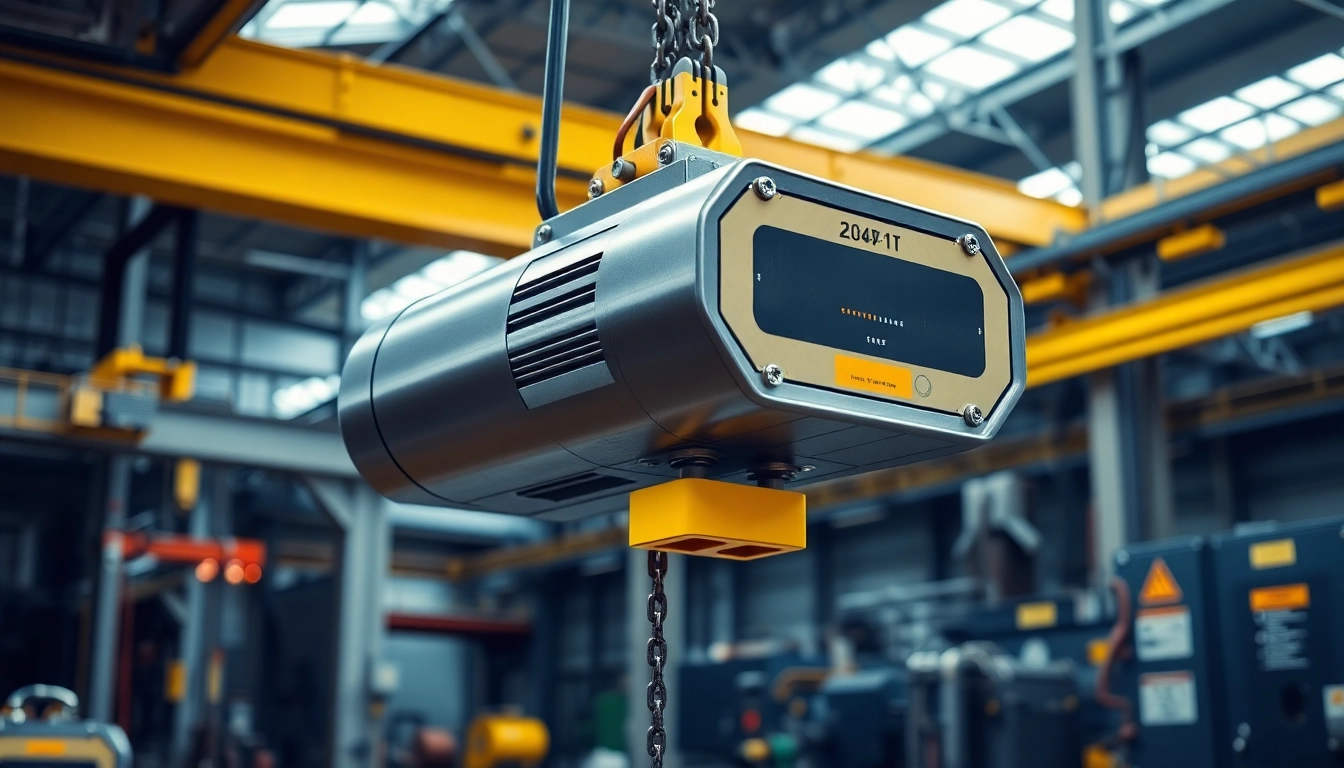
An electric chain hoist crane is a mechanical device that uses a chain and motor to lift heavy objects vertically. Unlike manual hoists that require human effort, electric chain hoists automate the lifting process, making them ideal for industries that require frequent lifting of heavy loads. These hoists typically consist of a motor, a chain mechanism, and a hook for securing the load. They are available in various sizes and configurations to meet diverse operational needs.
Key Features of Electric Chain Hoists
- Load Capacity: Electric chain hoists are available in capacities that range from small models capable of lifting a few hundred pounds to industrial-grade hoists that can handle several tons.
- Speed Control: Many electric hoists come equipped with variable speed controls, allowing operators to adjust lifting speeds based on the task requirements.
- Safety Features: Modern electric chain hoists include features such as overload protection, emergency stop buttons, and limit switches to enhance safety during operation.
- Power Options: Electric chain hoists can operate on single-phase or three-phase power, offering flexibility depending on the facility’s electrical infrastructure.
Benefits of Using Electric Chain Hoist Cranes
Employing electric chain hoist cranes in industrial settings offers numerous advantages that enhance productivity and operational safety:
- Increased Efficiency: Electric hoists can lift heavier loads faster than manual options, significantly reducing downtime between operations.
- Reduced Physical Strain: Operators are less likely to experience injuries associated with manual lifting, contributing to a safer workplace environment.
- Precision Control: Electric hoists provide accurate control over lifting and lowering, ensuring materials are positioned correctly without excessive swaying.
- Versatile Applications: These hoists can be utilized in a variety of industries, from manufacturing and construction to warehousing and shipping.
Types of Electric Chain Hoists
Single-phase vs. Three-phase Electric Chain Hoists
When selecting an electric chain hoist, one must consider the power supply available at their facility. Single-phase electric chain hoists are typically used in environments where the voltage supply is limited, such as residential or small industrial settings. Conversely, three-phase electric chain hoists are preferred for larger operations due to their ability to handle higher loads and provide more consistent power, thus enhancing the hoist's performance.
Choosing the Right Capacity for Your Needs
Selecting an electric chain hoist with the appropriate capacity is crucial. Overloading a hoist can lead to mechanical failures and accidents, while underutilizing a hoist can result in inefficiencies. Therefore, it’s essential to assess the maximum weight of the loads you expect to lift and choose a hoist that exceeds that weight by a safety margin.
Customizable Options in Electric Chain Hoists
Many manufacturers offer customizable options for electric chain hoists to tailor them to specific applications. These options may include varying chain lengths, hook configurations, and additional safety features. Customization ensures that the hoist meets the specific demands of your operational environment, promoting efficiency and safety.
Applications of Electric Chain Hoist Cranes
Industries Utilizing Electric Chain Hoists
Electric chain hoists find applications in various industries due to their versatility and efficiency. Common sectors employing these hoists include:
- Manufacturing: Used for assembling heavy machinery or transporting components on production lines.
- Construction: Essential for lifting building materials and equipment on job sites.
- Shipbuilding: Employed to lift heavy ship components and materials in the construction of vessels.
- Logistics and Warehousing: Useful for loading and unloading goods and materials in storage facilities.
Case Studies: Successful Implementations
Numerous companies have successfully implemented electric chain hoists to enhance their operations:
- Automotive Industry: A leading automotive manufacturer integrated electric chain hoists into their assembly line, improving vehicle production efficiency by 20%.
- Construction Project: A construction firm utilized electric hoists to lift steel beams for a high-rise building, significantly reducing project timelines and costs.
Common Challenges and Solutions
While electric chain hoists are effective, they come with challenges that operators need to address:
- Power Supply Issues: Ensuring sufficient electrical supply can be a challenge; working with an electrical engineer can help mitigate this.
- Maintenance Requirements: Regular maintenance is crucial to ensuring safety and functionality; implementing a preventive maintenance schedule can help.
Safety Considerations with Electric Chain Hoists
Essential Safety Features and Compliance Standards
Safety should always be a primary concern when operating electric chain hoists. Essential safety features include:
- Overload Protection: Prevents lifting beyond the hoist's capacity, reducing the risk of mechanical failure.
- Emergency Stop Buttons: Allow operators to stop the hoist quickly in emergencies.
- Compliance with Standards: Ensure that hoists meet relevant safety standards such as OSHA requirements to maintain workplace safety.
Best Practices for Safe Operation
To ensure the safe operation of electric chain hoist cranes, operators should follow best practices such as:
- Conducting regular safety training for all operators.
- Performing daily inspections of the equipment before operations.
- Utilizing proper load securing techniques to prevent slippage during lifting.
Maintenance Tips for Longevity and Safety
Maintaining electric chain hoists is crucial for ensuring their longevity and safe operation. Here are essential maintenance tips:
- Schedule routine inspections to check for wear and tear on chains and motors.
- Keep the hoist clean and free from dust and debris that can affect performance.
- Lubricate moving parts as recommended by the manufacturer to reduce friction and wear.
Future Trends in Electric Chain Hoist Technology
Innovative Developments Shaping the Industry in 2025
The electric chain hoist industry is poised for significant advancements by 2025. Innovations include the integration of smart technology, allowing for remote monitoring and diagnostics that enhance efficiency and predictive maintenance capabilities.
Emerging Technologies in Hoist Operations
Emerging technologies, such as IoT (Internet of Things), are beginning to influence hoist operations. This technology allows users to monitor real-time data regarding load weight, operational history, and maintenance needs, contributing to better decision-making and operational efficiency.
Predictions for Market Growth and Demand
As industries increasingly adopt automation and advanced lifting solutions, the demand for electric chain hoists is expected to grow. Factors driving this demand include the need for enhanced safety measures, increased efficiency, and the push for minimizing manual labor in various applications.