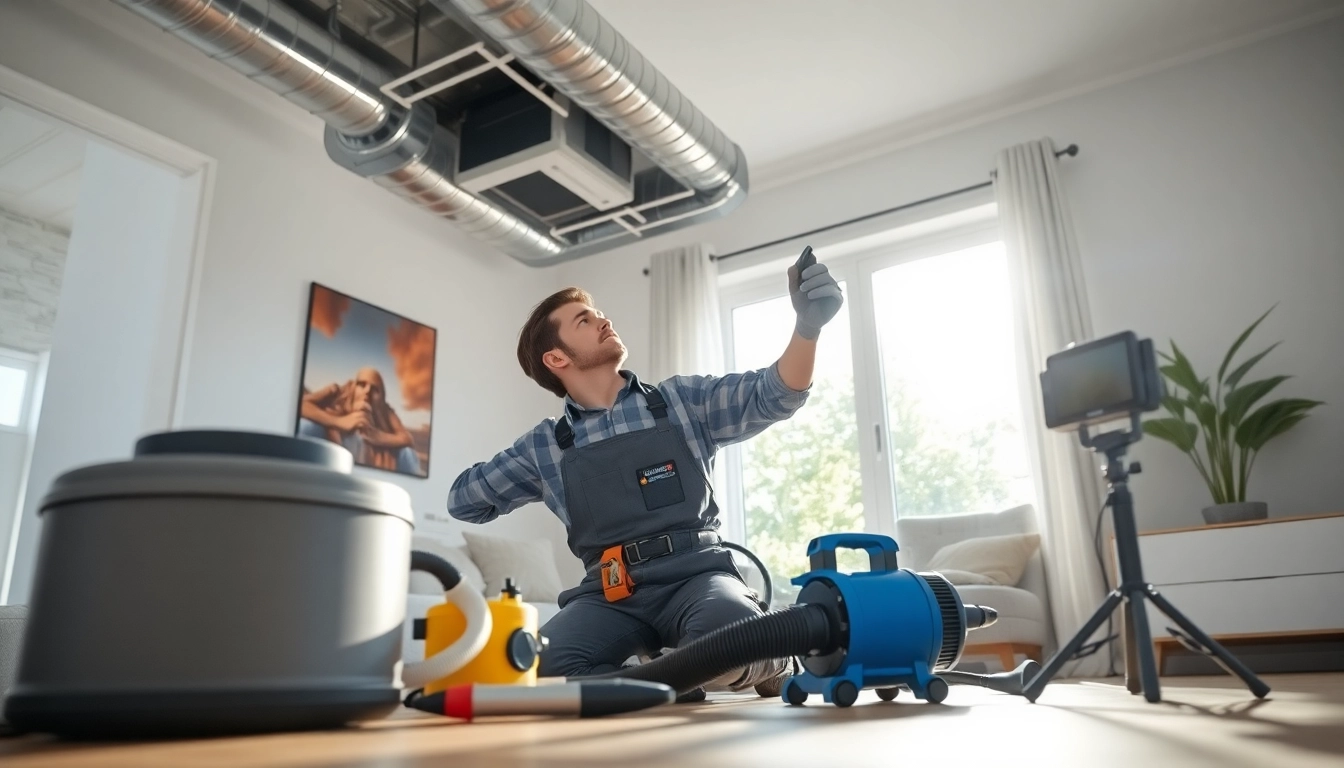
Understanding Duct Cleaning and HVAC Inspection
In the maintenance of your home’s comfort, ensuring the efficiency of your heating, ventilation, and air conditioning systems is paramount. Central to these systems is the processes of duct cleaning and HVAC inspection, which contribute significantly to both air quality and energy efficiency. In this comprehensive guide, we will explore the essential aspects of these services, their benefits, preparation steps, and best practices for homeowners.
What is Duct Cleaning?
Duct cleaning is a process that involves the removal of dust, allergens, and other contaminants that accumulate in your ductwork over time. Utilizing specialized tools and equipment, professionals access the duct system, ensuring that every component—from the air handler to the vents—is thoroughly cleaned. Dust, pet hair, mold, and other particles can hinder airflow and decrease system efficiency, leading to increased energy costs and potential health risks.
Importance of HVAC Inspection
An HVAC inspection is an essential maintenance procedure that involves checking the entire heating and cooling system for potential problems. During an inspection, technicians examine various components, including filters, coils, blowers, and ductwork, to ensure everything is operating correctly. Regular inspections help identify issues before they become significant, ensuring the system runs efficiently and extends its lifespan while also improving air quality.
Common Issues in Duct Systems
Duct systems can face various challenges that may lead to inefficiencies or health hazards. Common issues include:
- Blockages: Dust and debris can obstruct airflow, reducing overall system performance.
- Mold Growth: Moist environments can lead to mold, which can then circulate through the home via the HVAC system.
- Leaks: Damaged ducts can result in air leaks, leading to reduced efficiency and higher energy bills.
- Pests: Rodents or insects can invade ducts, adding contaminants and health risks.
Benefits of Regular Duct Cleaning and HVAC Inspection
Improved Air Quality
One of the primary benefits of regular duct cleaning and HVAC inspection is improved indoor air quality. Clean ducts reduce the amount of allergen-laden dust, pet dander, and other pollutants that enter your living spaces. For families, particularly those with asthma or allergies, this can lead to significant health improvements and comfort.
Increased Energy Efficiency
When ductwork is clean and effortlessly allows airflow, the HVAC system consumes less energy to maintain desired temperatures. This efficiency not only lowers utility bills but also reduces wear on the equipment, prolonging its service life and saving money on potential repairs or replacements.
Extended System Lifespan
Regular inspections help identify minor issues before they escalate into costly repairs. By maintaining the system through inspections and cleaning, you can expect a longer lifespan for your HVAC equipment, maximizing your investment in home comfort.
Steps to Prepare for Duct Cleaning and HVAC Inspection
What to Expect During an Inspection
During an HVAC inspection, a qualified technician will perform a thorough evaluation, checking components such as filters, ductwork, thermostats, and coils. They will assess the overall functionality and cleanliness of the system and provide recommendations if repairs are needed. The inspection typically lasts anywhere from 60 to 90 minutes, depending on the system’s complexity and overall condition.
How to Choose the Right Service Provider
Selecting a reputable service provider for duct cleaning and HVAC inspection is crucial. Here are some tips to help you choose wisely:
- Experience: Look for a technician with ample experience and good reviews from previous clients.
- Certifications: Ensure technicians are certified by recognized organizations, such as the National Air Duct Cleaners Association (NADCA).
- Transparency: A good service provider will explain the cleaning process and provide written estimates.
- Insurance: Verify that the provider has liability insurance to cover any potential damages.
Preparing Your Home for the Process
Before duct cleaning and HVAC inspection, homeowners should prepare their space to ensure a thorough and efficient process:
- Clear the Area: Move furniture and other belongings away from vents and access points.
- Pets: Keep pets secured in another area to ensure the technicians can work without distractions.
- Address Concerns: Prepare a list of any issues you have noticed with your HVAC system to discuss with the technician.
Best Practices for Homeowners
Routine Maintenance Tips
To maximize the efficiency of your HVAC system and maintain air quality in your home, consider these routine maintenance tips:
- Change Air Filters: Replace filters every 1-3 months to ensure optimal airflow and filtration.
- Keep Vents Clear: Regularly clean and ensure that air vents are not obstructed by furniture or other items.
- Schedule Seasonal Inspections: Have your HVAC system inspected and maintained at least twice a year, typically in the spring and fall.
Signs Your System Needs Attention
Being vigilant about your HVAC system can save money and improve comfort levels. Look for these signs that indicate a need for immediate attention:
- Unexpectedly High Energy Bills: A sudden increase may indicate inefficiencies due to poor maintenance.
- Unusual Noises: Strange sounds during operation can signal mechanical issues.
- Poor Airflow: If certain rooms are not receiving adequate airflow, it may indicate blockages or system malfunctions.
- Inconsistent Temperatures: Fluctuating temperatures could suggest ductwork issues or system inefficiencies.
FAQs on Duct Cleaning and HVAC Inspection
FAQs about Duct Cleaning and HVAC Inspection
How often should duct cleaning occur?
It is advised to have duct cleaning performed every 3 to 5 years. However, homes with pets, smokers, or allergies may benefit from more frequent cleanings.
What are the signs of a problematic HVAC system?
Common signs include inconsistent temperatures, increased energy bills, unusual noises, and poor air quality. Each of these can indicate underlying issues within your HVAC system.
Can I perform duct cleaning myself?
While basic maintenance like changing filters can be done by homeowners, professional duct cleaning requires specialized tools and expertise to ensure it is done correctly and safely.
What costs should I anticipate for these services?
The cost of duct cleaning typically ranges from $300 to $500, while HVAC inspections may cost between $75 and $150, depending on the system’s complexity and any additional services.
Does duct cleaning improve energy efficiency?
Yes, by removing blockages and improving airflow within your HVAC system, duct cleaning can significantly enhance energy efficiency, resulting in lower utility bills.