
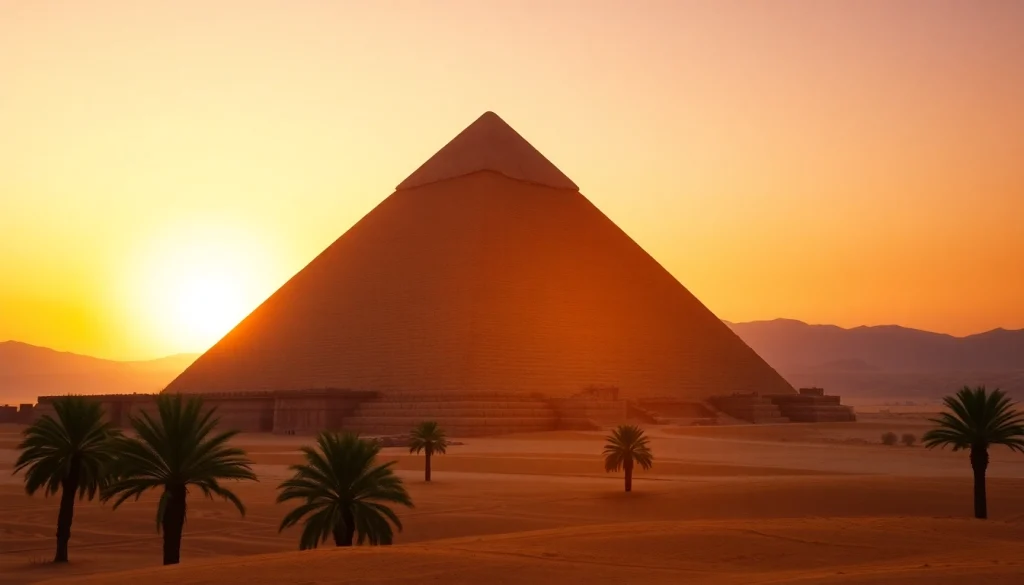
The Historical Significance of Pyramids
The allure and mystery of pyramids have fascinated historians, archaeologists, and tourists alike. Often regarded as one of the most remarkable achievements of humanity, pyramids serve not merely as monumental structures but as cultural icons laden with historical significance. This article delves into various aspects of pyramids, exploring their history, cultural significance, engineering marvels, and modern-day implications.
The Role of Pyramids in Ancient Egypt
Pyramids played a crucial role in ancient Egyptian society, serving as both tombs and symbols of the divine right to rule. Constructed during the Old and Middle Kingdoms, they were designed to house the remains of pharaohs, who were believed to be gods on earth. The most iconic of these structures, the Great Pyramid of Giza, stands as a testament to the advanced organizational and engineering skills of ancient Egyptians. For those interested, comprehensive resources on pyramids can be found at https://piraminds.com/.
Pyramids and the Afterlife Beliefs
The ancient Egyptians held profound beliefs in the afterlife, which significantly influenced pyramid construction. Egyptians believed that the soul’s journey after death was arduous and that the pyramid would serve as a conduit for the pharaoh to ascend to the heavens, maintaining a connection with the divine. The burial chambers within these structures were often filled with treasures, food, and even artifacts to assist the pharaoh in their journey, reinforcing the importance of the afterlife in Egyptian culture.
Architectural Innovations of the Time
The construction of pyramids marked a revolutionary moment in architectural design. These colossal structures were not only esthetically pleasing but also ingeniously engineered. Techniques such as precise alignment with celestial bodies illustrate the Egyptians’ sophisticated understanding of astronomy and mathematics. The development of the pyramid shape itself was an engineering breakthrough that provided stability and durability, which has allowed many pyramids to endure the test of time.
Exploring the Great Pyramid of Giza
The Great Pyramid of Giza, the largest of the three pyramids on the Giza plateau, is an architectural marvel that has captivated scholars for centuries. Standing at an impressive height of 481 feet, it was the tallest man-made structure in the world for over 3,800 years. Its construction and design continue to provoke deep inquiries into ancient engineering practices.
An Architectural Marvel: Design and Construction
The design of the Great Pyramid is a captivating blend of engineering skill, artistry, and symbolic intent. Scholars believe that it was constructed using a series of large limestone and granite blocks, weighing an average of 2.5 tons each. To erect the massive structure, the ancient Egyptians are thought to have used a combination of ramps and levers. Recent studies suggest a plausible hypothesis that a spiral ramp may have played a critical role, facilitating the transportation of materials to the upper levels.
Notable Features of the Great Pyramid
The Great Pyramid is not just a simple structure; it comes with an array of intriguing features. Among these are its intricate interior chambers, the King’s Chamber, and the Grand Gallery. The precise alignment of the pyramid with the cardinal points and the use of massive granite stones from distant quarries speak volumes about the extensive resources and coordination required for such a project. The pyramid originally housed a dazzling array of treasures, although most have been looted over time.
Date and Timeline of Its Construction
The construction of the Great Pyramid is generally dated around 2580–2560 BC, during the reign of Pharaoh Khufu. The process took approximately 20 years, and it involved thousands of laborers. Contrary to popular belief, these workers were not slaves; they were skilled laborers who were likely well-fed and housed. This complex social structure challenges the stereotype of labor in ancient Egypt and highlights the civilization’s sophistication.
Significance of Pyramids in Modern Culture
In contemporary society, pyramids have transcended their original purpose and become symbols of heritage and cultural identity. Their iconic shapes and historical significance continue to inspire various facets of art, literature, and science.
Pyramids as Icons of Heritage
Pyramids are intuitive symbols of ancient Egypt, representing not only the architectural and engineering prowess of the civilization but also serving as tourism magnets and cultural symbols. They remind us of the profound human endeavor to transcend mortality and establish a legacy. The ongoing interest in the pyramids continues to foster a deeper understanding of human history and cultural evolution.
Tourism and Cultural Impact
The pyramids of Giza, particularly the Great Pyramid, are among the most visited tourist attractions in the world. This influx of tourism can significantly contribute to the local economy, stimulating job creation in hospitality and related sectors. However, it also raises concerns regarding conservation and management of these heritage sites. Balancing tourism with preservation remains a key challenge in maintaining the integrity of these ancient monuments.
The Influence on Art and Literature
Pyramids have been depicted in various forms of art and literature, influencing countless works across different cultures. From ancient texts to modern films, the mystique surrounding pyramids has shaped narratives that explore themes of immortality, power, and the unknown. Their depiction continues to evoke fascination and curiosity, serving as a bridge connecting the past with the present.
Understanding the Engineering Behind Pyramids
The engineering techniques employed in pyramid construction remain a source of study and debate among scholars and engineers alike. Exploring the materials used and the methods of construction offers valuable insights into ancient technological advancements.
Materials and Techniques Used
The primary materials in pyramid construction were limestone, granite, and basalt. The limestone, easily quarried locally, was used for the outer casing, while granite, transported from Aswan, was employed for the internal chambers and structural supports. Advances in quarrying and transporting techniques allowed ancient Egyptians to efficiently manage these heavy materials. Recent findings reveal the use of lubricants and ramps, further showcasing their innovative engineering practices.
Unsolved Mysteries of Pyramid Construction
Despite extensive research, several mysteries about pyramid construction remain unsolved. The precise methods used to transport and position massive stones, the exact workforce organization, and the techniques for achieving accurate alignments continue to challenge modern scholars. Each discovery from ongoing archaeological work provokes new questions, emphasizing the importance of continuous research in unraveling ancient technologies.
Modern Technology and Ancient Engineering
The study of pyramids has benefited significantly from modern technology, including 3D scanning and remote sensing. These techniques allow researchers to uncover hidden chambers and better understand the construction techniques used. By combining ancient knowledge with contemporary technology, we are able to gain a more comprehensive view of the past, bridging the gap between the ancient and modern worlds.
Visiting the Pyramids: Tips and Insights
For those planning to visit the pyramids, understanding what to expect can enhance the experience significantly. This includes knowing the best times to visit, the ongoing preservation efforts, and the symbolic importance of these monuments today.
Best Times to Visit
The ideal time to visit the pyramids is during the cooler months, from October to April. This period offers more agreeable weather conditions, making the experience more enjoyable. Additionally, visiting in the early morning or late afternoon can help avoid peak tourist crowds and provide a more peaceful atmosphere to appreciate these monumental structures.
Preservation Efforts and Conservation
Efforts to preserve the pyramids and their surroundings are crucial to sustaining their historical integrity. Ongoing projects work to address environmental concerns, erosion, and tourist impact, ensuring that these ancient monuments continue to inspire future generations. Collaborative efforts between governmental and non-governmental organizations play a significant role in these preservation initiatives.
Symbolic Importance in Today’s World
In today’s globalized society, pyramids symbolize resilience, ambition, and the quest for knowledge. They remind humanity of its shared history and the monumental achievements possible through collaboration and ingenuity. The ongoing fascination with pyramids inspires a desire to learn from the past, encouraging future innovations while respecting the cultural heritage we inherit.
FAQs about Pyramids
What are the main types of pyramids?
The main types include the step pyramid, the smooth-sided pyramid, and the bent pyramid, each showcasing different architectural styles and advancements.
How were the materials for the pyramids transported?
Materials were likely transported using sleds on lubricated surfaces and barges along the Nile River, showcasing advanced logistical planning.
Who was buried in the pyramids?
Primarily pharaohs and their consorts were buried in pyramids, often accompanied by treasures and artifacts intended for the afterlife.
Why are the pyramids important today?
Pyramids are vital for understanding ancient Egyptian culture, architecture, and engineering, serving as global symbols of human achievement.
Can you enter the pyramids?
Many pyramids offer limited public access, often allowing entry to specific chambers while emphasizing preservation efforts and visitor safety.