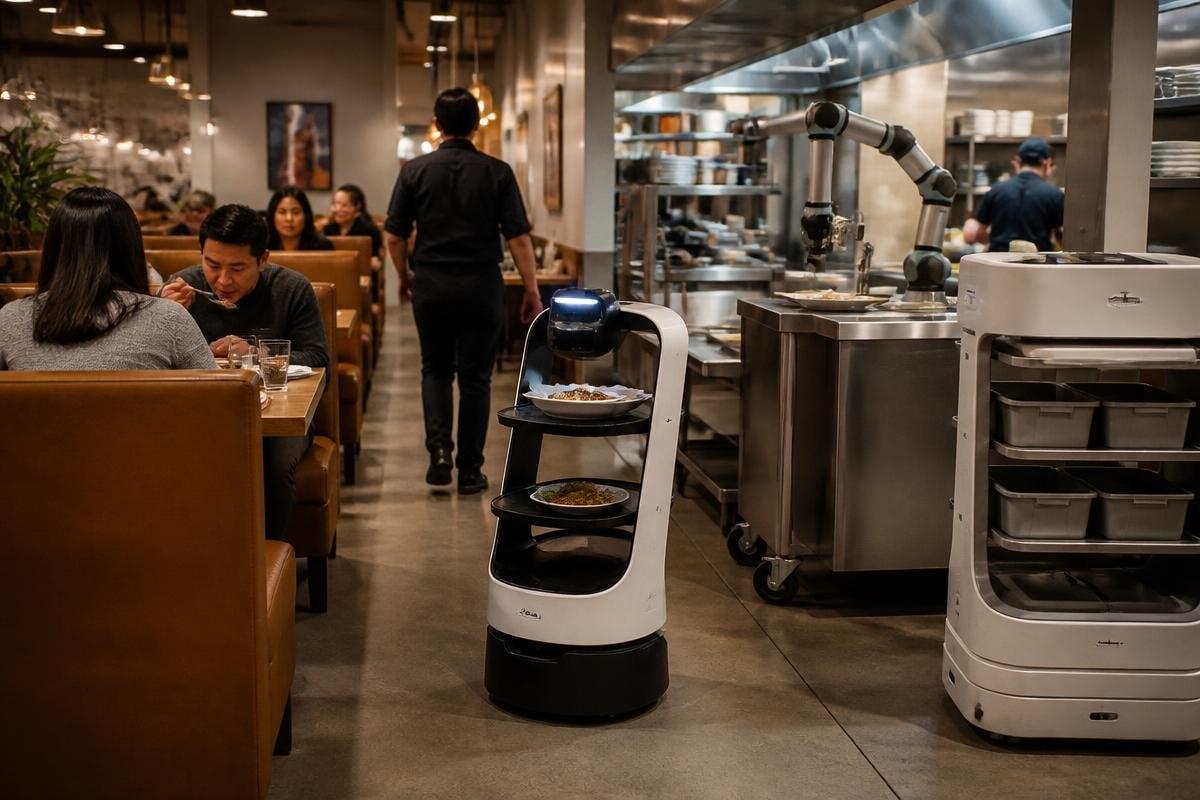
Introduction to Human Interface with AI
In an era dominated by rapid advancements in technology, the significance of Human Interface with AI cannot be overstated. This intersection plays a vital role in how users interact with artificial intelligence systems, ultimately determining the effectiveness, satisfaction, and overall experience. The human-AI interface shapes the opportunities for collaboration and enhances usability across various sectors.
Defining Human Interface with AI
Human Interface with AI encompasses the methodologies, designs, and technologies that facilitate interactions between human users and AI systems. This field integrates aspects of human-computer interaction (HCI), artificial intelligence (AI), cognitive science, and user experience design, leading to a more intuitive interaction paradigm. The understanding of this interactivity is crucial for the development of intelligent systems that truly resonate with users' needs.
The Importance of Human-AI Collaboration
The interaction between humans and AI should not be seen merely as a transactional relationship; it is fundamentally collaborative. For instance, in healthcare, AI systems assist professionals by analyzing vast amounts of data, thus allowing them to focus on patient care rather than data management. Additionally, collaborative systems have the potential to enhance creativity and problem-solving in sectors such as design and engineering, ensuring that human intuition and AI’s computational power work in harmony.
Key Elements of Effective Human Interface Design
Creating an effective human-AI interface requires a deep understanding of various key elements:
- Usability: Interfaces must be simple, intuitive, and user-friendly, allowing users to engage effortlessly.
- Efficiency: Users should achieve their goals quickly and without unnecessary steps in the interaction.
- Engagement: Interfaces should motivate and engage users, making the interaction enjoyable.
- Trust: Building trust between users and AI systems is paramount, which can be through transparency and ethical guidelines in AI functionality.
- Feedback: Providing feedback during interactions is critical to inform users about system statuses and process completion.
Applications and Use Cases
Industry Use Cases of Human Interface with AI
Human Interface with AI is prevalent in various industries, revolutionizing how organizations operate:
- Healthcare: AI technologies enhance diagnostics and treatment planning, leading to better patient outcomes.
- Finance: Algorithms aid in fraud detection and risk assessment, streamlining operations and improving financial security.
- Education: AI personalizes learning experiences, adapting content to meet individual student needs.
- Customer Support: AI-driven chatbots provide instant responses, improving service efficiency while minimizing wait times.
- Retail: Personalized shopping experiences powered by AI recommendations increase customer satisfaction and loyalty.
Real-World Examples of Human-AI Interaction
Real-world applications not only demonstrate theoretical insights but also validate the effectiveness of human-AI interfaces:
- Voice Assistants: Systems like Siri and Alexa personalize user experience by engaging users through natural language processing.
- Recommendation Systems: Platforms like Netflix and Amazon utilize AI to recommend content or products based on user preferences.
- Smart Home Devices: AI-powered devices like thermostats and security systems autonomously adapt to user behaviors.
Emerging Trends in Human Interface with AI
As technology evolves, new trends materialize in the realm of human-AI interaction:
- Multimodal Interfaces: Systems integrating voice, visual, and gesture inputs create seamless interaction experiences.
- Emotional AI: AI systems designed to recognize and respond to human emotions are becoming more prevalent.
- Augmented Reality (AR) and Virtual Reality (VR): These technologies are redefining educational and training simulations, enhancing experiential learning.
- Brain-Computer Interfaces (BCIs): Emerging BCI technologies are paving the way for direct communication between human brains and AI systems.
Challenges in Developing Human Interfaces with AI
Understanding User Needs and Expectations
One of the foremost challenges is accurately understanding user needs. Users often have implicit desires and expectations that are complex to articulate. Effective user research, involving interviews, surveys, and usability tests, can uncover these insights.
Addressing Ethical Concerns in Human-AI Interaction
Ethics plays a crucial role in the development of AI systems. Issues such as data privacy, bias in algorithms, and the potential for misuse of AI technologies pose substantial challenges. Developers must adopt ethical frameworks and guidelines to ensure that AI systems enhance society rather than hinder it.
Technological Limitations in Current Interfaces
Although technology advancements are notable, some limitations persist. Current AI systems struggle with understanding context in conversations, leading to misinterpretations. Continuous improvement in natural language processing and machine learning algorithms is crucial for advancing the quality of human-AI interaction.
Best Practices for Designing Human Interfaces with AI
User-Centric Design Principles
User-centric design emphasizes placing the user at the forefront of the design process. Engaging users at every stage ensures that their feedback informs the functionality and interface of AI systems, fostering a sense of ownership and satisfaction.
Techniques for Improving Usability
Employing usability techniques such as heuristic evaluations, A/B testing, and user journey mapping can illuminate the interaction patterns. Analytics tools further help in gathering data on user behavior, allowing designers to refine their interfaces continuously.
Testing and Iterating on Human Interface Designs
Iterative design processes are essential for creating effective human-AI interfaces. Prototyping, followed by testing with real users, enables designers to identify user pain points and make informed improvements. This cyclical approach ensures that the final product meets user needs while effectively leveraging AI capabilities.
Future Directions and Conclusion
The Evolution of Human Interface with AI
The field of human-AI interaction is continuously evolving, with advancements in machine learning, neuroscience, and human-computer interaction informing new possibilities. As AI capabilities expand, so will the potential for more dynamic and interactive interfaces, evolving the ways users engage with technology.
Exploring New Technologies for Enhanced Interaction
Future innovations in AI, such as advanced contextual understanding, emotional intelligence, and improved sensory integrations, will foster even deeper interactions. Collaboration between technologists, designers, and ethicists will be critical in shaping the future of human-AI relationships responsibly.
Final Thoughts on Human Interface with AI
The journey toward optimizing Human Interface with AI is both exciting and challenging. By prioritizing user needs, ethical considerations, and technological advancements, we can pave the way for innovative solutions that enrich human experiences and foster trust between humans and AI systems.
Frequently Asked Questions
What is Human-AI interaction?
Human-AI interaction studies the ways humans and AI systems communicate. This field emphasizes creating interface designs that enhance user experience while ensuring trust and efficiency.
How is AI impacting client service?
AI is transforming client service by facilitating instant responses through chatbots and smart assistants, improving customer support efficiency and overall satisfaction.
What role does ethics play in AI interfaces?
Ethics are critical in AI interfaces, ensuring data privacy, fairness, and responsible use. Ethical guidelines help to navigate potential biases and misuse of AI technologies.
What are the challenges in AI interface design?
Challenges in AI interface design include understanding user expectations, addressing ethical concerns, and overcoming technological limitations that may hinder interactions.
How can we improve user engagement with AI?
Improving user engagement with AI can be achieved through personalized experiences, transparent interactions, and incorporating user feedback into design processes.