
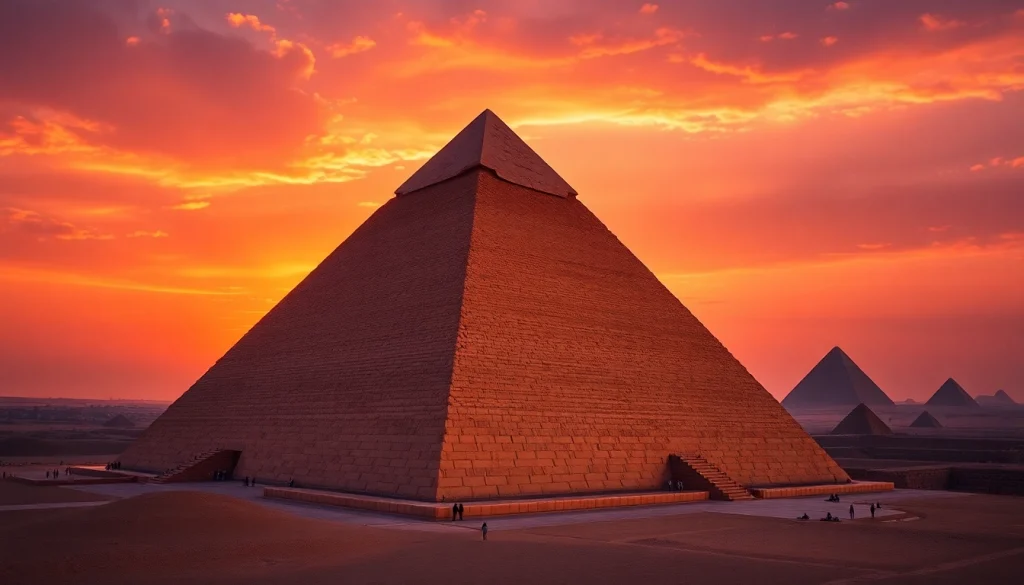
The Fascination Behind Pyramids
The allure of pyramids transcends time and geography. These monumental structures, particularly the Egyptian pyramids, evoke curiosity and admiration, serving as both tombs and cultural symbols. For many, exploring the pyramids is akin to stepping into the pages of history. Their majestic design and historical significance have made them a subject of fascination for tourists, historians, and archaeologists alike. One such resource that offers detailed insights is https://piraminds.com/.
Why Are Pyramids Symbolic?
The pyramid is a powerful symbol of stability and eternity. With a base that is solid and a peak that converges into a point, they symbolize the connection between the earth and the heavens. In ancient Egyptian culture, pyramids served as a bridge for the Pharaohs to ascend to the afterlife, representing not only physical tombs but also a representation of the soul’s journey. Their form echoes the rays of the sun, connecting them to the Sun God Ra, further emphasizing their spiritual significance.
Historical Background of Egyptian Pyramids
The Egyptian pyramids date back to the Third Dynasty, around 2700 BC. The most iconic are situated on the Giza Plateau, including the Great Pyramid of Giza, built for Pharaoh Khufu. Originally, these structures were covered in highly polished Tura limestone, which would reflect sunlight, creating a dazzling effect. Over centuries, many of these outer casings were removed, revealing the core structure. The ancient Egyptians exhibited extraordinary engineering skills, as evidenced by the alignment of the pyramids with cardinal points and their precise geometric proportions.
Common Myths and Misconceptions
Numerous myths surround the construction and purpose of the pyramids. A common belief is that they were built by slaves, but historical evidence suggests that they were constructed by a workforce of skilled laborers. These workers were likely paid and given respect, reflecting their important role in society. Moreover, many think the pyramids were solely built as tombs; however, they also served as ceremonial spaces and symbols of a Pharaoh’s divine mandate.
Architectural Marvel of the Great Pyramid
The Great Pyramid of Giza, also known as the Pyramid of Khufu, stands as a testament to ancient architectural ingenuity. Once standing at 146.6 meters, it was the tallest man-made structure in the world for over 3,800 years. Its base covers an area equivalent to that of eight football fields, accentuating its monumental scale.
Design and Structure Details
The pyramid’s design showcases a perfect square base, aligned to true north. Each side of the base measures approximately 230 meters. The structure embodies geometric precision, featuring a complex system of air shafts and chambers, including the King’s Chamber, which houses a granite sarcophagus. The internal layout is designed to discourage grave robbers and symbolizes the pharaoh’s ascent to the heavens.
Construction Techniques Employed
While the exact techniques remain a topic of debate, it is widely believed that a combination of manpower, simple machines, and organizational skills led to the pyramid’s construction. Workers used sledges to transport the massive limestone blocks from nearby quarries and could have employed lubricated tracks or rolling logs. Ramps of varying designs are theorized to have facilitated the movement of stones to great heights.
The Role of Geometry in Pyramid Design
Geometry played a pivotal role in the design of the pyramids. The ratio of the height to the base of the Great Pyramid corresponds closely to the Golden Ratio, which is often associated with aesthetics and harmony in nature. This would not only ensure the stability of the structure but also create a visually pleasing form that has captivated the imagination of generations.
Pyramids and Their Cultural Significance
Beyond mere architectural achievements, pyramids were central to ancient Egyptian culture. They express numerous aspects of Egyptian belief systems, from concepts of the afterlife to the divine kingship of pharaohs.
Pyramids as Tombs for Pharaohs
Pyramids served primarily as tombs for pharaohs, who were believed to be deities on earth. The burial practices associated with these structures included complex rituals designed to ensure a safe passage to the afterlife. Intricate hieroglyphics, symbolic artifacts, and offerings were often placed within these mausoleums, reflecting the Pharaoh’s status and beliefs.
Spiritual Beliefs Surrounding Pyramids
The ancient Egyptians believed that the pyramid’s shape facilitated the soul’s journey to the afterlife. The positioning of pyramids near the Nile, a symbol of life and fertility, underscored their spiritual connection. As part of the cosmic order, they represented a path to immortality for the Pharaohs, reinforcing their divine authority.
Pyramids in Modern Culture
Nowadays, the pyramids have transcended their original purpose, becoming symbols of ancient innovation and human endeavor. They can be found in various forms in modern media, from movies to literature, representing mystery and adventure. Monumental service and memorialization contribute to their ongoing presence in cultural dialogues, attracting millions of visitors seeking connections to ancient civilization.
Visiting the Pyramids: Tips for Travelers
For anyone captivated by the ancient world, visiting the pyramids is essential. Here are some valuable tips to enhance your experience.
Best Times to Visit
The ideal times to experience the pyramids are from October to April, when the weather is cooler. Mornings are particularly serene, as you can often enjoy the breathtaking landscapes with fewer visitors. Visiting during this period allows for a more comfortable exploration of these ancient wonders.
Must-See Features at the Pyramids
In addition to the pyramids themselves, visitors should explore the Sphinx, the Solar Boat Museum, and various temples nearby. Walking the Giza Plateau offers remarkable views and a chance to reflect on the scale of these magnificent structures.
Guidelines for Responsible Tourism
Responsible tourism involves respecting both the site and local culture. Stay on marked paths, avoid climbing on the pyramids, and support local artisans. Engaging with local guides enriches the experience, providing deeper historical context while contributing to the local economy.
Future Research and Expeditions
Archaeological interest in the pyramids endures, with ongoing discoveries reshaping our understanding of these ancient structures. Researchers continue to employ cutting-edge technology to explore beneath the sands of Giza, revealing secrets that have remained hidden for millennia.
Current Archeological Investigations
Modern archaeological methods involve ground-penetrating radar and non-invasive imaging technologies, unveiling potential chambers and tunnels that lie beneath the pyramids. Investigating these features provides crucial insights into ancient Egyptian society, construction methods, and burial practices.
The Role of Technology in Discoveries
Technological advancements have revolutionized archaeological explorations. Drones are now used for aerial surveys, while 3D modeling allows researchers to visually reconstruct the pyramids and their surroundings. These innovations enhance our understanding and appreciation of these incredible structures.
What Lies Beneath the Pyramids?
The mysteries surrounding what lies beneath the pyramids tantalize archaeologists. Recent studies indicate possible hidden structures, suggesting that these ancient edifices may be even more complex than previously understood. Future excavations may reveal more about the socio-political landscape of ancient Egypt.
Frequently Asked Questions
What are the main pyramids in Egypt?
The three main pyramids located on the Giza Plateau are the Great Pyramid of Khufu, the Pyramid of Khafre, and the Pyramid of Menkaure.
How long did it take to build the pyramids?
It is estimated that the Great Pyramid of Giza took around 20 years to complete, with construction beginning around 2580 BC.
Were slaves used to build the pyramids?
No, historical evidence suggests that skilled laborers and craftsmen were employed to build the pyramids, often working in rotating shifts.
What was inside the pyramids?
Pyramids typically contained burial chambers, sarcophagi, and various items for the afterlife, such as furniture, jewelry, and food offerings.
Can you enter the pyramids?
Yes, some pyramids allow visitors to enter, including the Great Pyramid, but access may require special tickets, and not all chambers are open to the public.