
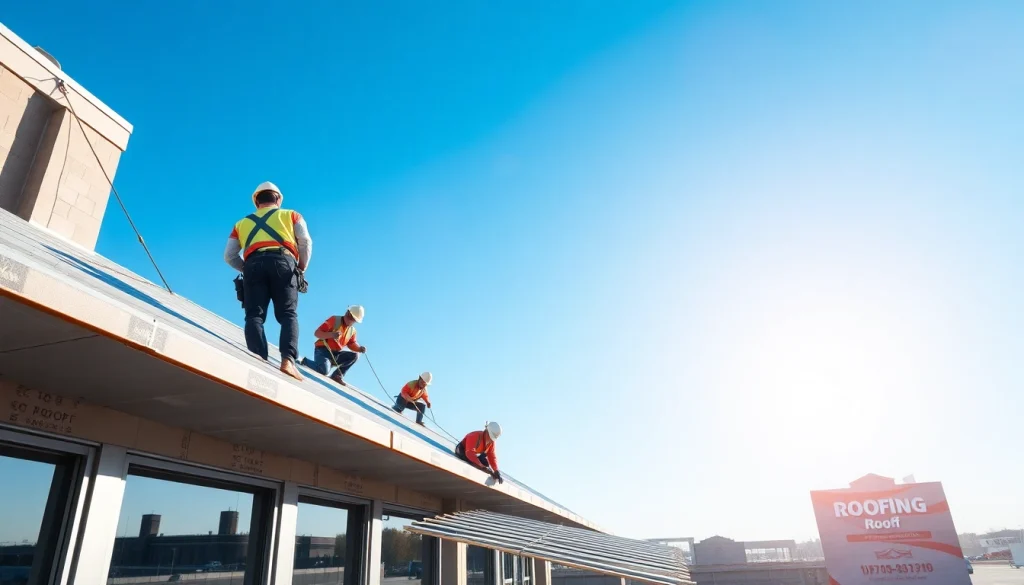
Understanding Commercial Roofing Services
Definition and Importance of Commercial Roofing
Commercial roofing refers to the installation, repair, and maintenance of roofs specifically designed for business establishments and industrial properties. Unlike residential roofs, commercial roofs are generally much larger, designed to withstand various environmental challenges, and constructed using specialized materials to ensure durability and longevity. In the competitive landscape where businesses operate, the roof over a commercial structure is essential not only for protecting the physical asset but also for maintaining the overall aesthetic appeal and functionality of the enterprise.
Types of Commercial Roofing Services Available
When it comes to commercial roofing services, a variety of solutions are offered to meet the diverse needs of businesses. These include:
- Roof Installation: This process involves the complete installation of new roofing systems, tailored to the architectural and functional needs of the structure.
- Roof Repair: Essential for identifying and resolving issues such as leaks, damaged materials, or structural instabilities before they escalate.
- Roof Replacement: Sometimes, a roof may be beyond repair and require replacement with a new system, which is often more cost-effective in the long run.
- Maintenance Services: Regular inspections and preventative maintenance to prolong roof lifespan and mitigate any potential issues.
- Consultation Services: Expert guidance on the best roofing materials and systems suited for specific commercial environments.
Key Benefits for Businesses
Investing in quality commercial roofing services offers several compelling benefits for businesses:
- Enhanced Protection: A strong, well-maintained roof shields against weather elements, reducing the risk of damage to the building and its contents.
- Energy Efficiency: Modern roofing materials can improve insulation, ultimately leading to lower energy costs and a reduced environmental footprint.
- Aesthetic Value: A well-designed roof contributes to the overall appearance of a business, enhancing brand image and attracting customers.
- Increased Property Value: Quality roofing increases the marketability of a property, making it more valuable should the need to sell arise.
Identifying Your Commercial Roofing Needs
Assessing Your Business’ Roofing Requirements
To effectively address commercial roofing needs, it is essential for business owners to conduct thorough assessments. Factors such as the type of business, building size, and geographical location all impact the roofing decision. For instance, businesses situated in areas prone to heavy rainfall may require roofing systems that include effective drainage solutions. Additionally, understanding local building codes, zoning laws, and insurance requirements plays a crucial role in determining appropriate roofing strategies.
Factors Influencing Roofing Choices
Several factors can significantly influence the type of roofing solution a business decides to pursue:
- Climate and Weather Patterns: Understanding local weather challenges such as snow, rain, wind, or extreme temperatures can dictate material choices.
- Operational Activities: Certain businesses may have specific roofing requirements based on their operations, such as ventilation needs for manufacturing facilities.
- Budget Constraints: Costs associated with installation, materials, and ongoing maintenance must be carefully evaluated to ensure long-term sustainability.
- Future Expansion Plans: Businesses with plans for expansion may want to consider roofing that can accommodate additional structures or modifications down the line.
Signs Your Commercial Roof Needs Attention
Identifying potential roofing issues early can save businesses significant costs associated with repairs or replacements. Here are common signs indicating your commercial roof may need attention:
- Water Stains: Presence of water stains on interior ceilings or walls suggests leaks that require immediate investigation.
- Cracked or Missing Shingles: Assurance that shingles or any roofing material are intact prevents further deterioration.
- Ponding Water: Pools of water that remain on the roof for more than 48 hours can cause serious damage to the structure over time.
- Mold or Mildew Growth: Indicates moisture issues, which can lead to more serious health and structural concerns.
Best Practices for Commercial Roofing Installation
Choosing the Right Materials for Your Roof
Selecting the appropriate roofing material is fundamental to the longevity and performance of a commercial roof. Various materials are available, each offering different advantages:
- EPDM (Ethylene Propylene Diene Monomer): This synthetic rubber is popular for flat roofing due to its durability and cost-effectiveness.
- TPO (Thermoplastic Olefin): Known for its energy efficiency and heat-reflecting properties, TPO is a suitable choice for environmentally conscious businesses.
- Metal Roofing: Offers superior durability and protection from extreme weather, metal roofing is an increasingly popular choice for many commercial properties.
- Modified Bitumen: This material provides excellent waterproofing capabilities and is often used in low-slope roofing applications.
Hiring Professional Roofers: What to Consider
Choosing the right contractor for commercial roofing installation is paramount. Here are key factors to consider:
- Experience and Credentials: Look for contractors with a strong portfolio and appropriate licenses/certifications.
- Client Reviews and Testimonials: Conduct research to understand feedback from previous clients, evaluating the contractor’s reliability and quality of work.
- Insurance and Warranty: Ensure the roofing contractor carries adequate insurance and offers warranties for both materials and workmanship.
- Communication Skills: A contractor should be transparent with estimates, timelines, and provide clear communication throughout the process.
Essential Steps in the Installation Process
Implementing a successful commercial roofing installation involves several critical steps:
- Initial Assessment: A comprehensive evaluation of the existing roof condition and identification of the specific needs.
- Material Selection: Choosing roofing materials that best suit the building’s requirements and budgetary constraints.
- Preparing the Building: This involves removing the existing roofing material and preparing the surface for new installation.
- Installation of New Roofing: Following manufacturer guidelines for installation, ensuring all materials are applied correctly.
- Final Inspection: Conducting a thorough inspection of the completed roof to ensure compliance with standards and quality expectations.
Maintenance of Commercial Roofing Services
Regular Maintenance Tips for Longevity
Maintaining a commercial roof is crucial for its longevity. Implementing a regular maintenance schedule can prevent costly repairs down the line. Here are some actionable tips:
- Regular Inspections: Schedule professional inspections at least twice a year and after severe weather events.
- Clean Gutters and Drainage Systems: Ensure that gutters and downspouts are clear of debris to prevent water pooling.
- Address Minor Repairs Quickly: Tend to small leaks or damages immediately, as they can escalate if ignored.
- Trim Overhanging Trees: Prevent damage from falling branches and minimize debris accumulation on the roof.
Common Issues and How to Resolve Them
Various challenges can manifest in commercial roofing. Knowing how to address these promptly is key:
- Blistering or Bubbling: This can occur due to trapped moisture; prompt removal and repair by a professional can resolve the issue.
- Leaking Seams: Utilize sealants to reinforce seams and regularly inspect for any signs of degradation.
- Punctures and Tears: These can be repaired with patching materials that match the existing roofing system.
Cost-Effective Maintenance Strategies
Finding ways to keep maintenance costs manageable while ensuring maximum protection is essential for businesses. Consider the following strategies:
- Establish a Maintenance Budget: Allocating funds specifically for roof maintenance helps in planning and preventing sudden costs.
- Utilize Technology: Software and apps can assist in scheduling inspections and tracking maintenance history.
- Training Staff: Educating staff on how to spot early signs of roof wear can lead to quicker interventions and lower repair costs.
Evaluating the Success of Your Commercial Roofing Services
Performance Metrics to Track
To evaluate the effectiveness of your commercial roofing solutions, consider tracking these performance metrics:
- Leak Incidence: A decrease in the number of leaks should indicate an effective roofing system.
- Energy Costs: Monitor changes in energy bills post-installation to assess potential energy savings.
- Maintenance Frequency: An overall reduction in needed maintenance actions can be a sign of a durable, effective roofing system.
Understanding Warranty and Insurance Options
Warranties and insurance are critical aspects that protect your investment. Ensure to understand the specifics of:
- Material Warranties: Typically provided by manufacturers, covering defects and ensuring the longevity of the materials.
- Workmanship Warranties: Offered by contractors, these guarantee the quality of the installation and cover necessary repairs due to improper workmanship.
- Insurance Coverage: Having adequate insurance protects against unexpected damages due to weather or unforeseen circumstances.
Gathering Feedback and Continuous Improvement
Establishing a mechanism for feedback from occupants and stakeholders helps in continually improving the roofing strategies:
- Tenant Surveys: Regular feedback from building occupants can provide insights into perceived roofing issues.
- Post-Installation Reviews: Following installation or major repairs, evaluate the performance against expectations.
- Adaptation and Learning: Utilize collected data to make informed decisions about future roofing projects and maintenance strategies.