Understanding Japanese Knotweed
Overview of Japanese Knotweed Characteristics
Japanese Knotweed (Fallopia japonica) is a perennial plant that originated from East Asia. Characterized by its hollow stems, heart-shaped leaves, and clusters of creamy white flowers, it can reach heights of up to 3 meters. Its rapid growth, especially in warm, well-drained environments, makes it highly invasive. The plant possesses a robust rhizome system, allowing it to spread aggressively and outcompete native flora, resulting in significant ecological disruption.
Health and Environmental Risks
The presence of Japanese Knotweed poses several risks to the environment and human health. The plant can damage property foundations, driveways, and drainage systems due to its extensive root systems. Moreover, it can reduce biodiversity by overshadowing native plants and altering local ecosystems. There are also potential health risks associated with Japanese Knotweed; its sap can cause skin irritation in sensitive individuals. Additionally, the invasive nature of this plant can lead to economic burdens, as property values may decrease significantly if an infestation is present.
Legal Implications of Infestation
In many regions, there are legal implications for property owners who allow Japanese Knotweed to spread. In the UK, for instance, property owners have a duty to control this invasive species under the Wildlife and Countryside Act. Failure to manage Japanese Knotweed can result in fines or other legal actions, particularly if it affects neighboring properties. This makes effective Japanese Knotweed Removal a crucial responsibility for homeowners and landowners.
Identifying Japanese Knotweed in Your Area
Visual Identification Tips
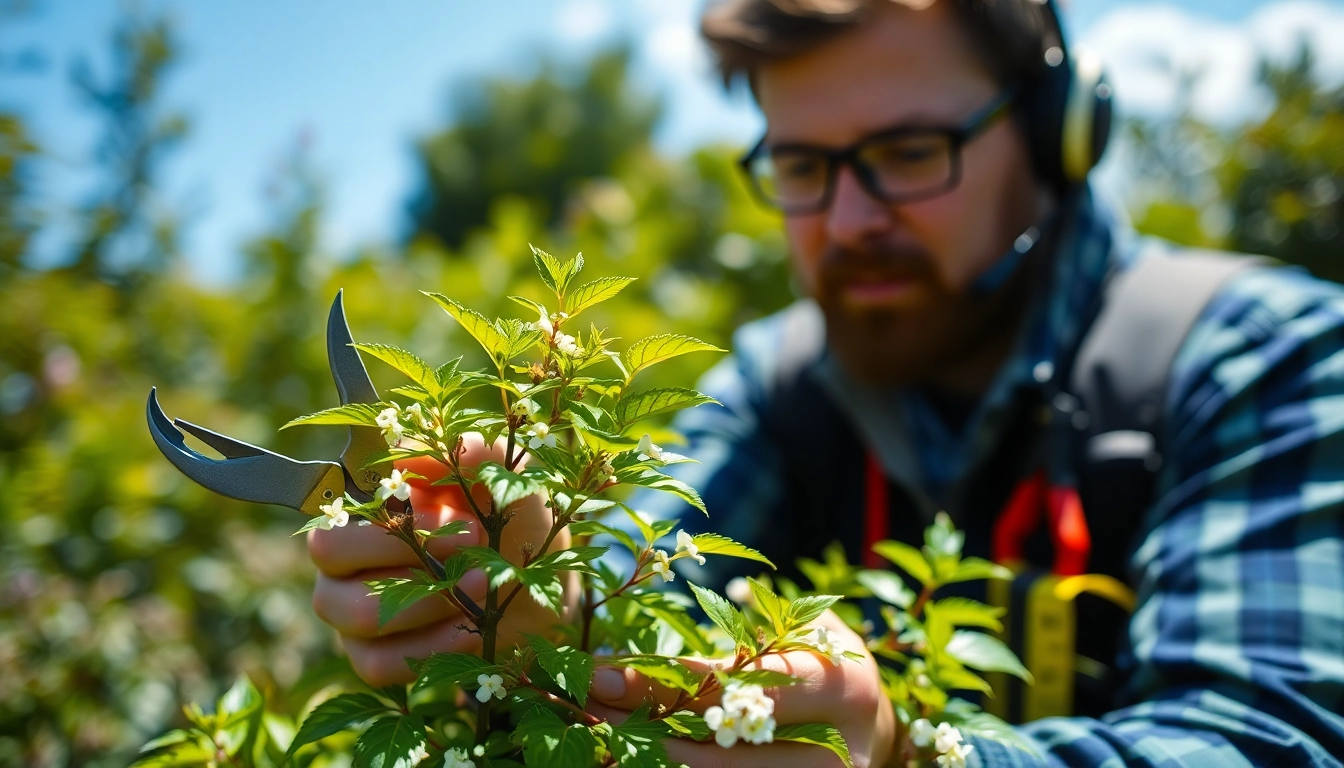
Identifying Japanese Knotweed early can be instrumental in effective management. Look for the distinct bamboo-like stems that often have red or purple speckles. The leaves are broad and heart-shaped, typically measuring 5 to 15 centimeters across. In autumn, the plant bears clusters of small, creamy-white flowers that can further aid in identification.
Seasonal Growth Patterns
Japanese Knotweed typically emerges in early spring, with its growth peaking in mid-summer. Understanding these growth patterns is critical for effective treatment. By late autumn, the foliage dies back, but the underground rhizomes remain robust, allowing it to regrow in the following spring. Monitoring these seasonal changes can help in planning removal strategies.
Tools for Identification
To identify Japanese Knotweed, consider utilizing tools such as field guides or mobile applications specifically designed for plant identification. Local ecological organizations may also provide resources for identification. Engaging with experts or local agencies can provide insights and confirmation of potential infestations in your area.
Best Practices for Japanese Knotweed Removal
Manual Removal Techniques
Manual removal can be effective, particularly for small infestations. This technique involves carefully digging out the entire root system, ensuring that no rhizome fragments remain in the soil, as even small pieces can regenerate. It’s essential to wear protective gloves and dispose of the plant material properly to prevent reinfestation.
Chemical Treatment Options
Chemical treatments can be more efficient for larger infestations. Glyphosate-based herbicides are commonly used to kill Japanese Knotweed effectively. It’s crucial to follow manufacturer instructions and apply during the plant’s active growth phase for optimal results. Consider hiring a professional if you’re uncertain about using chemicals safely.
Timing and Frequency for Effective Management
Timing is vital for successful Japanese Knotweed removal. The ideal time to apply herbicides is typically between late summer and early autumn when the plant is transporting nutrients to its roots. Repeated treatments may be necessary over several years to ensure complete elimination. Regular monitoring of the site is essential to catch any regrowth early on.
Post-Removal Care and Maintenance
Replanting in Affected Areas
After successful Japanese Knotweed removal, replanting can help restore the ecosystem. Choose native plants that can outcompete any potential regrowth of Japanese Knotweed. Native flora is generally more resilient and can help restore local biodiversity. It’s also beneficial to wait at least two years after removal before replanting to ensure the infestation is fully controlled.
Monitoring for Regrowth
Consistent monitoring of the removal site is crucial. Regularly inspect for any signs of regrowth. Early detection allows for timely intervention, either by additional removal or herbicide application. Setting up a monitoring schedule can help maintain the site’s health and prevent reinfestation.
Soil Care after Removal
Post-removal soil care is essential for restoring the health of affected areas. Testing soil for nutrients can inform necessary amendments to support robust plant growth. Adding organic matter, like compost, can improve soil structure and fertility, while also promoting healthy new plant growth that can deter future invaders.
Frequently Asked Questions About Japanese Knotweed Removal
What is the best method for removing Japanese Knotweed?
The best method typically combines manual removal and chemical treatments, ensuring complete removal of the roots and preventing regrowth.
How long does it take to fully eliminate Japanese Knotweed?
Eliminating Japanese Knotweed can take several years, depending on the initial infestation size and the management methods employed.
Are there any risks in DIY Japanese Knotweed removal?
Yes, DIY efforts may lead to incomplete removal, risking further spread. Also, improper herbicide use poses health and environmental risks.
Can Japanese Knotweed come back after removal?
Yes, if any rhizome fragments remain in the soil, Japanese Knotweed can regrow, making ongoing monitoring critical.
What do I do if I spot Japanese Knotweed on my property?
Immediately contact a specialist for identification and management. Prompt action can help prevent further spread and damage.