Understanding the Appeal of Mini Cows
In recent years, the popularity of mini cows has soared among farmers and animal enthusiasts alike. These charming creatures are not only adorable, but they also offer numerous benefits that make them an appealing choice for smaller farms or homesteads. From their manageable size to their gentle temperaments, mini cows provide a unique opportunity for individuals looking to engage in agriculture without the demands and space required by standard-sized cattle. When exploring options, mini cow enthusiasts can discover a wide variety of breeds and features that cater to their specific interests and needs.
Why Choose Mini Cows for Your Farm?
Mini cows, often referred to as miniature cattle, are a fantastic option for those looking to integrate livestock into their lives without the burden of traditional cattle maintenance. They are typically smaller, making them easier to manage and ideal for urban or suburban settings where space is limited. Mini cows can also be a wonderful addition to a family-friendly farm, providing companionship and educational opportunities for children and adults alike.
Benefits of Mini Cow Ownership
- Space Efficiency: Miniature cows require less pasture space than their larger counterparts, making them perfect for smaller properties.
- Lower Feeding Costs: Due to their smaller size, mini cows consume less feed, translating to lower overall feeding expenses.
- Gentle Temperament: Many mini cows are known for their docile nature, making them great companions and easy to handle for first-time owners.
- Unique Breeds: Mini cows come in various breeds, including Mini Hereford, Mini Highland, and even panda-patterned miniature cattle, offering unique aesthetics and characteristics.
Common Misconceptions About Mini Cows
Despite their growing popularity, several misconceptions surround mini cows. One notable myth is that they are simply smaller versions of regular cows and thus do not require the same level of care. In reality, mini cows have specific care requirements, and prospective owners should ensure they understand these needs fully to provide a healthy environment.
Navigating the Buying Process for Mini Cows
Purchasing a mini cow can be an exciting yet daunting process. Whether you're a first-time buyer or looking to expand your herd, understanding how to navigate this journey is crucial. From selecting a reputable breeder to ensuring the health and well-being of the animal, every step matters in ensuring a successful experience.
How to Evaluate Mini Cattle Breeders
When searching for mini cows for sale, it is essential to do thorough research on breeders. Look for those who have a solid reputation, positive reviews, and transparency about their breeding practices. Questions to ask include:
- What health checks do you perform on your cattle?
- Can I see the living conditions of your animals?
- What is the history of the breed lines?
Key Questions to Ask When Buying a Mini Cow
In addition to vetting breeders, prospective buyers should ask specific questions about the mini cow itself. Some important inquiries include:
- What is the animal's age and health status?
- Has it been socialized with other animals and people?
- What is included in the sale (e.g., health records, registration papers)?
Understanding Pricing and Payment Options
Pricing for mini cows can vary based on breed, age, and health status. It is advisable to compare prices from different breeders and understand what factors influence the cost. Additionally, inquire about payment options, as some breeders may offer flexible financing plans or require full payment upfront.
Mini Cow Care: Essentials for Happy Cattle
Owning a mini cow involves a commitment to care and maintenance. Prospective mini cow owners must familiarize themselves with the essential requirements to ensure their cattle thrive in a safe and healthy environment.
Feeding and Nutrition Needs of Mini Cows
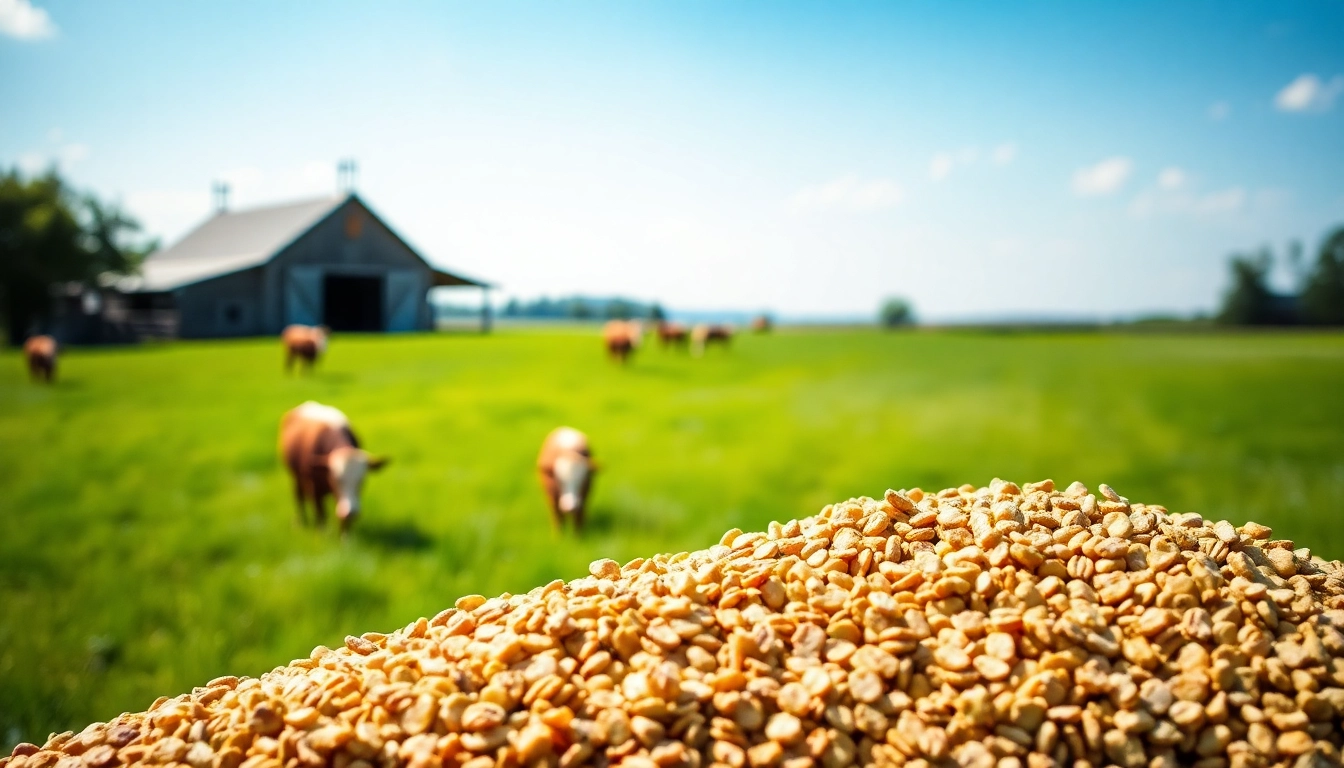
Proper nutrition is vital for the health of mini cows. A balanced diet typically consists of high-quality hay, specialized feed, and access to clean water. Because they are smaller, their dietary needs differ from standard cows, requiring careful consideration to avoid overfeeding.
Housing Requirements for Miniature Cattle
Mini cows need adequate shelter to protect them from harsh weather conditions. A simple barn or shed can suffice, provided it is clean, dry, and well-ventilated. Additionally, fencing should be secure to prevent escapes, as even small cows are capable of wandering off.
Health Care and Veterinary Considerations
Regular veterinary check-ups are essential for monitoring the health of mini cows. This includes vaccinations, deworming, and routine health assessments. Owners should establish a relationship with a vet experienced in treating livestock, particularly mini cattle.
Transportation Options for Your Mini Cow
Transporting a mini cow requires careful planning to ensure the animal’s safety during the journey. Understanding the logistics involved can ease any concerns for new owners.
Preparing for a Safe Transport
Before transporting a mini cow, owners should prepare appropriate transport containers or vehicles that accommodate the animal's size. Ensuring that the transport method is comfortable and secure is crucial in preventing stress or injury.
Working with Transportation Services
Many breeders offer transportation services for their animals, which can simplify the process for buyers. When engaging transportation services, clarify details such as costs, estimated delivery times, and health documentation required upon arrival.
Documentation and Ownership Transfer
Documentation is a critical component of mini cow ownership. Buyers should receive ownership-transfer documents, including health records and registration papers, to ensure legal ownership and compliance with local regulations.
Connecting with Your Mini Cow: Building a Relationship
Once the essential logistics of purchasing a mini cow are complete, the next step is establishing a bond with your new friend. Building a connection is vital for a fulfilling ownership experience.
Techniques for Bonding with Your Mini Cow
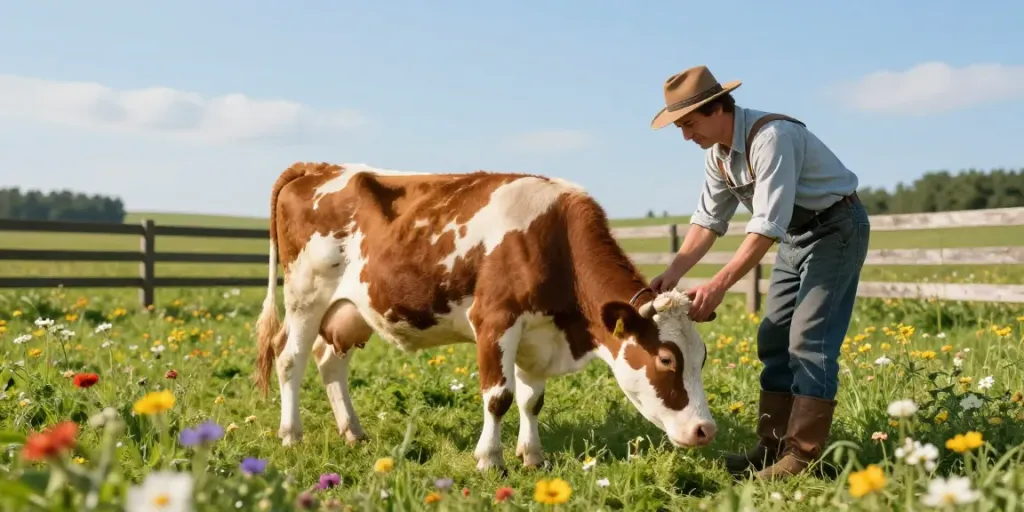
Spending time with your mini cow and engaging in interactive activities like feeding and grooming can help build trust. Gentle handling and positive reinforcement will encourage a strong relationship.
Understanding Mini Cow Behavior and Communication
Understanding the body language and vocalizations of mini cows can enhance your relationship. Observing how they respond in different situations can provide valuable insights into their needs and emotions.
Addressing Common Behavioral Issues
Like all animals, mini cows can exhibit behavioral challenges. Being patient and consistent while addressing these issues is key. Seeking advice from experienced breeders or veterinarians can provide solutions tailored to your mini cow's needs.
What are the maintenance costs associated with owning a mini cow?
The maintenance costs for mini cows can vary based on factors such as diet, housing, and veterinary care. On average, budget for feed, bedding, and routine vet visits to ensure your mini cow's health and well-being.
How much space do mini cows need?
Mini cows require less space than standard cows, but it still depends on the breed and number of cows. Generally, aim for at least 200 square feet per mini cow for grazing and movement.
Can mini cows be kept as pets inside the house?
While mini cows are generally suited for outdoor living, with proper care and management, some owners have successfully raised them in large indoor spaces as part of their family.
What are the best mini cow breeds for beginners?
Breed selection can significantly impact your experience. For beginners, Mini Hereford and Mini Jersey are often recommended due to their friendly nature and manageable size.
Where can I find reputable mini cow breeders?
Finding reputable breeders requires research and networking. Local agricultural extensions, livestock shows, and online breeder directories are great places to start your search for quality mini cows.